The Complete 2026 Guide for Businesses
Sea freight services in Malaysia have become an essential backbone for global trade, supply chain reliability, and cost‑efficient cargo movement. As one of Southeast Asia’s strongest maritime hubs, Malaysia offers strategic advantages for importers, exporters, manufacturers, and e‑commerce brands looking to scale internationally. With powerful port infrastructure, multimodal logistics support, and maturing freight forwarding expertise, the country continues to rise as a preferred destination for regional and global shipping.
This comprehensive guide explores everything businesses need to know about sea freight services in Malaysia—how they work, what to expect, and best practices for choosing the right service provider. Whether you’re a growing SME or an established multinational, understanding Malaysia’s sea freight landscape can help you reduce costs, improve transit times, and strengthen trade performance.
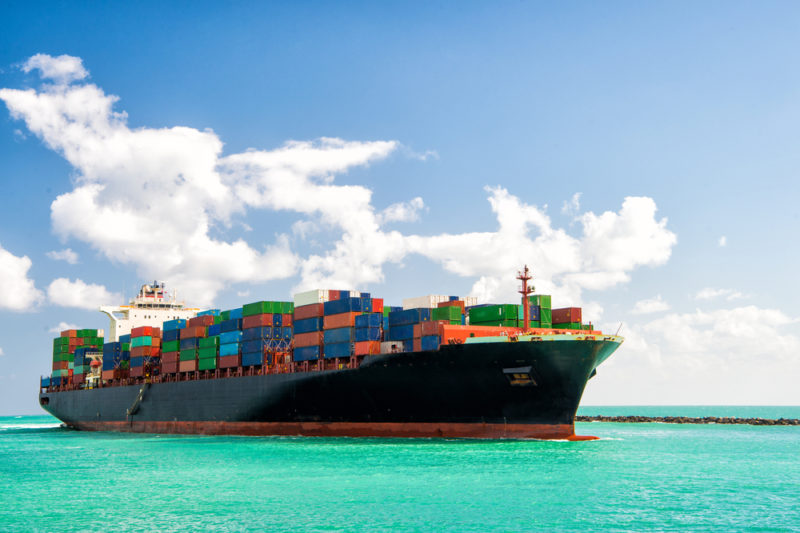
Why Sea Freight Services in Malaysia Are in High Demand
Malaysia offers several strategic and operational advantages that make its sea freight services highly sought after. These include:
1. Strategic Location Along the Strait of Malacca
The Strait of Malacca is one of the busiest shipping lanes in the world, connecting Asia, the Middle East, and Europe. Ports in Malaysia sit directly along these major trade routes, making sea freight operations both convenient and efficient for international trade.
2. Strong Port Infrastructure
Major ports such as Port Klang, Port of Tanjung Pelepas (PTP), and Penang Port offer modern terminals, high handling capacity, advanced container tracking systems, and connectivity to hundreds of global destinations.
These ports serve as important gateways for both transshipment and direct import/export flows.
3. Cost‑Effective for High‑Volume Shipments
Sea freight remains the most economical way to move bulk or containerized cargo across continents. Malaysia’s competitive port charges, free zone facilities, and abundance of freight forwarders help businesses manage costs more effectively.
4. Connectivity to Global Shipping Lines
Malaysia is regularly served by the world’s largest carriers, ensuring frequent sailings, consistent schedules, and competitive freight rates across major trade lanes—Asia‑Europe, Asia‑US, Middle East, and intra‑ASEAN.
Types of Sea Freight Services Available in Malaysia
Understanding the types of sea freight services available will help you select the most suitable option for your logistics needs.
1. Full Container Load (FCL)
FCL is when a container is booked exclusively for one shipper. This is beneficial when you have enough cargo to fill a 20‑foot or 40‑foot container, or when you want reduced handling risks and faster consolidation.
2. Less than Container Load (LCL)
LCL shipping is ideal for businesses with smaller quantities of cargo. The freight forwarder consolidates your goods with other shippers’ cargo, making it a cost‑efficient option for SMEs or lower‑volume shipments.
3. Breakbulk and Out‑of‑Gauge (OOG) Cargo
Industries such as oil and gas, machinery, and construction often need specialized handling for oversized cargo. Malaysian ports are equipped with heavy‑lifting cranes, roll‑on/roll‑off (RoRo) capabilities, and extended berths suitable for abnormal loads.
4. Reefer Container Services
Temperature‑controlled cargo, such as food products, pharmaceuticals, and perishables, can be transported through reefer containers. Malaysia’s ports provide pre‑cooling, plug‑in points, and on‑terminal monitoring services.
5. Project Cargo and Chartering
For large‑scale industrial or infrastructure projects, freight forwarders in Malaysia offer ship chartering, project consultation, cargo surveying, route planning, and technical lifting operations.
6. Transshipment Services
Because Malaysia is situated close to Singapore and lies along key maritime routes, its ports serve as major transshipment hubs for goods moving between continents.
How Sea Freight Services Work in Malaysia: The End‑to‑End Process
Sea freight involves multiple steps that require coordination between the shipper, freight forwarder, port operators, shipping lines, and customs authorities. Below is a simplified overview of how the process typically unfolds:
1. Booking and Planning
Your freight forwarder collects key shipment details:
- Cargo type
- Weight and volume
- HS codes
- Shipping incoterms
- Destination country
- Preferred transit time or cost requirements
The forwarder then arranges the best route, selects a suitable carrier, and books the vessel space.
2. Cargo Collection and Export Haulage
Cargo may be:
- Picked up from your warehouse
- Packed at a freight forwarder’s facility
- Delivered directly to the port container yard
For FCL shipments, containers may be loaded at your site; for LCL, cargo is consolidated at a warehouse.
3. Export Customs Clearance
Documents commonly required include:
- Commercial invoice
- Packing list
- Bill of lading (BL) details
- HS code classification
- Certificates for controlled goods (if any)
Your forwarder manages the declaration and ensures compliance with Malaysian customs requirements.
4. Container Handling at Port
When containers reach the port:
- They are inspected and weighed
- Security checks may be conducted
- Containers are stored in the yard until loading
- Port operators load containers onto the vessel
5. Ocean Transit
Once onboard, the shipping line manages the voyage through scheduled route stops, taking into account transshipment if required.
6. Destination Port Handling
At the arrival port:
- Containers are unloaded
- Customs clearance is processed by the consignee or receiving forwarder
- Final delivery (trucking or rail) is arranged to the destination warehouse
Benefits of Using Sea Freight Services in Malaysia
1. Competitive Pricing
Malaysia’s ports and freight forwarders offer highly competitive sea freight rates, which helps businesses maintain healthy margins—especially for bulk goods and large volumes.
2. Reliability and Predictability
The country’s main ports are consistently improving their operational efficiency, which helps ensure stable shipping schedules and predictable arrival times.
3. Extensive Global Reach
With wide carrier coverage, Malaysian sea freight services connect your business to virtually any global market.
4. Scalability
Sea freight allows businesses to scale operations based on volume growth. Whether shipping one container a month or managing a weekly flow of FCL cargo, expanding capacity is straightforward.
5. Supportive Trade Ecosystem
Malaysia’s free trade zones, bonded warehouses, and customs digitalization efforts make it easier for businesses to manage their supply chains.
Best Practices When Choosing Sea Freight Services in Malaysia
Selecting the right freight forwarder or shipping partner is one of the most critical decisions you can make for your logistics operations. Below are best practices to guide you:
1. Evaluate the Forwarder’s Experience and Specialization
Different forwarders excel in different fields:
- Electronics and semiconductors
- Automotive parts
- Oil and gas equipment
- Consumer goods
- Food and perishables
Choose a forwarder with proven experience in your industry to avoid handling mistakes, compliance issues, or documentation errors.
2. Check Port Coverage and Carrier Partnerships
Your provider should have strong relationships with major carriers and port operators. This ensures:
- Better rates
- Higher priority access to vessel space
- Faster issue resolution
- More reliable schedules
Forwarders with local presence in Port Klang, PTP, and Penang Port often offer better operational control.
3. Review Digital Capabilities and Tracking Systems
Modern sea freight relies heavily on visibility. Look for:
- Real‑time vessel tracking
- Automated status updates
- Electronic documents (e‑B/L, e‑invoice)
- Predictive ETA tools
These capabilities reduce the risk of delays, miscommunication, and lost cargo visibility.
4. Ensure They Provide End‑to‑End Service Coverage
The best freight forwarders offer:
- Inland trucking
- Warehousing and cargo stuffing
- Customs brokerage
- Port handling
- Destination delivery
This integrated approach simplifies communication and reduces delays between handovers.
5. Verify Compliance Knowledge and Documentation Accuracy
Incorrect HS codes, missing permits, or incorrect invoices can result in:
- Customs holds
- Demurrage charges
- Delayed deliveries
- Cargo seizures
Choose partners with strong compliance records and a deep understanding of Malaysian customs regulations.
6. Compare Total Cost, Not Just Freight Rate
Sea freight pricing includes multiple components:
- Freight charges
- Port handling fees
- Terminal charges
- Documentation fees
- Customs processing
- Inland transport
- Warehousing or storage
A forwarder offering the lowest base rate may still cost more after all surcharges are applied. Always compare total landed cost.
7. Assess Customer Service Responsiveness
Logistics requires prompt communication. Your shipping partner should offer:
- Dedicated account managers
- Fast response times
- Clear escalation procedures
- Proactive updates on delays or disruptions
Strong customer service can prevent minor issues from turning into expensive problems.
8. Request Performance Metrics and Case Studies
Reliable forwarders track KPIs such as:
- On‑time vessel departure and arrival
- No‑roll rates
- Customs clearance success rate
- Damage/claim ratios
Ask for documented evidence of past performance, especially if you ship time‑sensitive or high‑value cargo.
9. Look for Free Zone or Bonded Facility Access
Forwarders with operations inside free commercial zones or bonded warehouses can help you:
- Reduce duties
- Repack or relabel cargo
- Consolidate regional orders
- Re‑export without full importation
This is especially helpful for regional distribution planning.
Common Challenges in Sea Freight—And How Malaysian Forwarders Overcome Them
1. Port Congestion
While Malaysia’s ports are efficient, peak seasons can still cause yard congestion. Top forwarders mitigate this by:
- Pre‑booking slots early
- Using multiple ports
- Offering flexible sailing schedules
2. Documentation Errors
To prevent customs delays, forwarders implement:
- Multi‑level document checks
- Automated data validation
- Pre‑clearance preparation
3. Shipment Delays Due to Weather or Routing
Sea conditions and route congestion sometimes impact transit times. Forwarders use:
- Multiple carrier options
- Transshipment routing alternatives
- Predictive ETA visibility tools
4. Cost Fluctuations
Forwarders help clients manage costs by:
- Long‑term contract rates
- Consolidation services
- Optimizing container utilization
The Future of Sea Freight Services in Malaysia
Sea freight services in Malaysia are continuously evolving, shaped by technological innovation, port expansions, and supply chain digitization. Key trends include:
1. Smart Port Technologies
Automated cranes, digital yard management, and real‑time container tracking will enhance operational efficiency and reduce turnaround times.
2. Greener Maritime Solutions
More carriers are adopting sustainable fuels and cleaner vessel designs. Malaysian ports are supporting green initiatives through eco‑friendly port operations.
3. Growth in E‑commerce Cargo
With the rise of cross‑border e‑commerce, LCL services and sea‑air multimodal solutions are becoming more significant.
4. Enhanced Free Trade Ecosystems
Malaysia’s free trade agreements and special economic zones will continue to attract foreign investors and expand freight activity.
5. Strengthening of Transshipment Role
Strategically located ports like PTP and Port Klang are expected to capture more regional transshipment traffic due to competitive handling and proximity to main trade routes.
Conclusion: Choosing the Right Sea Freight Partner in Malaysia
Sea freight services in Malaysia offer businesses reliable, cost‑efficient, and scalable shipping solutions supported by world‑class port infrastructure and an increasingly sophisticated logistics ecosystem. Whether you are importing raw materials, exporting finished goods, or managing regional distribution, the right freight forwarder can help you optimize transit times, reduce expenses, and maintain full visibility throughout the shipping process.
When choosing a sea freight partner, always prioritize:
- Experience in your industry
- Strong carrier and port networks
- Digital tracking and real‑time visibility
- Compliance expertise
- Transparent costing
- Comprehensive end‑to‑end service coverage
A well‑chosen freight forwarder doesn’t just move your cargo—they become a crucial partner in your supply chain success in Malaysia logistics.